
Toxic Fumes in the Sky: Unpacking the Growing Concerns Over Airplane Cabin Air Quality and Passenger Safety
Toxic Fumes in the Sky: Unpacking the Growing Concerns Over Airplane Cabin Air Quality and Passenger Safety
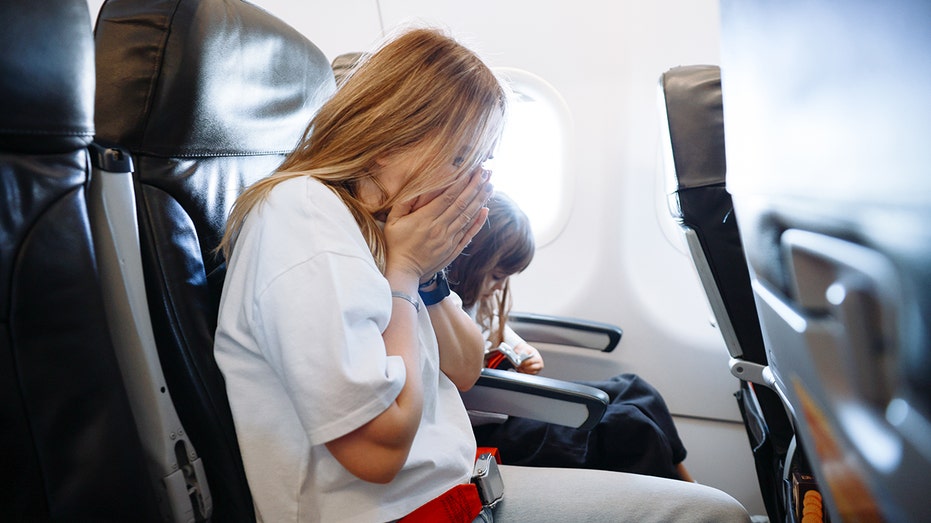
Recent alarming reports of **toxic fumes** circulating within airplane cabins have ignited a critical debate, prompting renewed scrutiny into the safety of both passengers and crew. From mysterious odors to sudden, debilitating illnesses, the issue is gaining significant traction, with Fox News correspondent Madison Scarpino shedding light on the profound impact on flyers.
The Invisible Threat: What Are People Experiencing?
Passengers and crew members alike have described unsettling experiences during flights, detailing **unexplained odors, smoke, or haze**, often followed by a rapid onset of illness. These incidents, frequently referred to as 'fume events,' have led to serious health concerns and prompted calls for greater transparency.
- Individuals have reported experiencing sudden coughs, wheezing, and other symptoms indicative of airway inflammation, sometimes intensifying rapidly mid-flight.
- A compelling Wall Street Journal investigation recently brought to light claims from pilots and flight attendants who said they experienced severe illnesses after reported fume exposures. One notable case involved a 54-year-old pilot who developed troubling neurological symptoms following a fume event inside an aircraft cabin.
Industry Response vs. Mounting Evidence
While industry officials have largely disputed any direct connection between these reported fume events and serious, long-term health issues, the growing body of anecdotal evidence and medical observations continues to fuel the discussion. Despite their reassurances, some airlines, including Delta, have proactively taken steps such as upgrading engines on over 300 planes — a move that many interpret as an acknowledgment of underlying **cabin air quality** concerns.
“Unusual odors can arise for a variety of reasons and are a normal part of operating and maintaining aircraft,” a JetBlue spokesperson previously told Fox News Digital, reiterating that aircraft would never be operated if a health or safety risk was perceived. However, critics argue that such statements often downplay the potential severity and long-term implications for **flight attendant illness** and **pilot health concerns**.
Medical Perspective: Why Airplanes Intensify Symptoms
Dr. Kenneth J. Perry, an emergency medicine attending physician in South Carolina, offers crucial insights into why the unique environment of an airplane cabin can exacerbate reactions to airborne irritants. “The symptoms that are going to be most common are cough, wheezing and other symptoms of inflammation of the airways,” Dr. Perry explained to Fox News Digital.
Key factors contributing to intensified symptoms mid-flight include:
- Lower Oxygen Levels: Airplane cabins are pressurized to the equivalent of approximately 8,000 feet of elevation. This means oxygen concentration is lower than on the ground, which can significantly worsen breathing difficulties, particularly for those with underlying **passenger respiratory issues**.
- Confined Space: The enclosed nature of the cabin can concentrate irritants, making their effects more pronounced and potentially leading to a more intense bodily reaction.
Dr. Perry advises that the most crucial first step in any suspected inhalation exposure is to immediately remove the individual from the affected environment and provide access to fresh air. While most suspected exposures involve irritants that cause temporary discomfort, he notes that in rare cases where long-term effects are suspected, follow-up care with a specialist such as a pulmonologist may be recommended. Staying calm is also vital for a quicker improvement of symptoms, he added.
Regulatory Oversight and Future Steps for Air Travel Safety
The Federal Aviation Administration (FAA) mandates strict **cabin air quality standards** for commercial aircraft, meticulously designed to protect both passengers and crew. The agency is required to investigate all reported incidents where rare mechanical issues allow fumes to enter the cabin, ensuring necessary repairs are made before any aircraft returns to service.
Despite these existing regulations, the ongoing reports underscore the critical need for continuous vigilance, transparent reporting, and potentially, updated safety protocols. As concerns about **air travel safety** and **in-flight health risks** continue to rise, the aviation industry faces increasing pressure to ensure that the air we breathe at 30,000 feet is unequivocally safe for everyone on board.
What to Do If You Suspect Toxic Fumes on a Flight:
- Notify the Crew Immediately: Inform flight attendants of any unusual odors, smoke, or physical symptoms you are experiencing.
- Seek Fresh Air: If possible, ask to move to a different section of the cabin or closer to an air vent.
- Stay Calm: Managing your anxiety can help alleviate symptoms and allow you to think clearly.
- Report the Incident: After your flight, report the incident to the airline and relevant authorities (such as the FAA) to ensure it is documented and investigated.
No comments