
Macron's Bold Move: France Set to Ban Social Media for Under-15s, Restrict Cellphones in High Schools
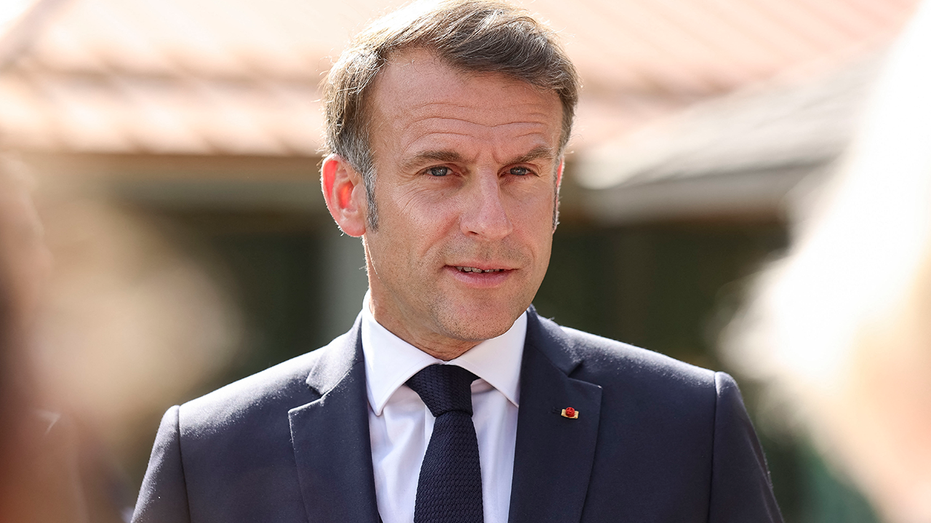
PARIS, France – In a landmark move aimed at safeguarding the digital well-being of its youngest citizens, France is poised to implement a sweeping ban on social media use for children under the age of 15. The ambitious proposal, championed by President Emmanuel Macron, also seeks to tighten restrictions on cellphone use within high schools, signaling a significant shift in the nation's approach to youth and technology.
France Takes Decisive Action Against Excessive Screen Time
The planned legislation, reported by local media outlet Le Monde, is designed to combat the growing concerns surrounding excessive screen time and the myriad online risks minors face. From exposure to inappropriate content to the insidious threat of cyber-harassment and disrupted sleep patterns, the digital landscape presents formidable challenges for developing minds.
President Macron has been a vocal critic of social media's role in contributing to youth violence, repeatedly citing its detrimental impact. A draft law underscores these concerns, stating, "Many studies and reports now confirm the various risks caused by excessive use of digital screens by adolescents." The document further highlights that unrestricted online access has left children vulnerable to "inappropriate content" and psychological harm.
A National Debate and a September Start Date
The proposed ban follows a path blazed by Australia, which in December introduced a world-first restriction on social media for children under 16, limiting access to platforms like Facebook, TikTok, and YouTube. Macron's government is pushing for Parliament to debate the French proposal in January, with an eye towards a potential implementation by September of next year.
Macron's Vision: A Europe-Wide Digital Shield for Youth
Beyond national borders, President Macron has expressed a strong desire to see similar regulations adopted across the entire European Union. His push for broader digital protection gained urgency following a tragic fatal school stabbing in eastern France in April, which deeply shocked the nation.
This isn't France's first foray into regulating digital devices in educational settings. Cellphones have already been banned in French elementary and middle schools since 2018, a measure that has set a precedent for the current, more expansive proposal.
Navigating Hurdles: Past Attempts and Future Challenges
While Macron's commitment to protecting minors digitally is clear, the journey has not been without its obstacles. Previous attempts, such as a 2023 proposal for a "digital legal age" requiring parental consent for social media users under 15, were ultimately blocked by EU regulations, highlighting the complex legal landscape.
Technical challenges, including existing EU legal constraints and issues with enforcement, have historically limited the effectiveness of such measures. However, the political will appears stronger than ever, especially with the European Parliament itself urging the EU in November to establish minimum social media ages to address adolescent mental health crises, leaving final decisions to individual member states.
As France prepares for this pivotal debate, the world watches to see if Macron's bold strategy will set a new global standard for youth protection in the digital age, prioritizing children's well-being over unrestricted online access.
No comments